
Quick Answer
Neither platform is universally better. Google Ads reach people actively searching for a product or service right now, while Facebook ads reach people based on who they are and what they engage with, helping build awareness before they search. Facebook leads often cost less up front in industry benchmarks, but Google leads arrive with stronger intent. The right choice depends on your goal, and many businesses run both.
What’s the Difference Between Facebook Ads and Google Ads?
Google Ads primarily capture existing demand: they appear when someone types a search that signals they want something now. Facebook ads work earlier in the journey, reaching people based on demographics, interests, and behavior, which can help generate awareness and interest before anyone searches at all.
Think of the two platforms as answering different questions. Google answers “who is looking for this right now?” When a homeowner searches “emergency plumber near me,” a Google ad puts your business in front of them within seconds, at the exact moment of need. Facebook answers “who might need this eventually, and do they know we exist?” It puts your work, your reviews, and your offers in front of thousands of nearby people while they scroll, so that when the need arrives, yours is the name they remember or search for. Neither approach is better in a vacuum; they solve different problems at different stages of the same customer journey, which is exactly why the comparison matters less than the fit with your goal.
Which Costs Less: Facebook Ads or Google Ads?
Facebook leads generally cost less up front, but the comparison needs context. The closest useful benchmark pairing is Facebook leads campaigns against Google Search: WordStream by LocaliQ’s most recent Meta ads study (US campaigns, April 2024 through June 2025) found a median of $1.92 per click and $27.66 per lead for Facebook leads campaigns, while its 2026 Google Ads study (US campaigns, April 2025 through March 2026) reported averages of $5.42 per click and $66.69 per lead on Search.
Those are the best available numbers, but they are not a perfect apples-to-apples test. The two datasets cover different time windows, and each platform defines and captures conversions differently, so treat the gap as directional context rather than proof that one platform is cheaper for your business. It is also worth knowing that Facebook clicks can look even cheaper in traffic-campaign data (a $0.70 median CPC in the same study), but click-optimized campaigns buy attention, not leads, so that number should never anchor a lead-generation budget.
The deeper point is why the gap exists. Google leads cost more because they carry more intent: that person searched for you. Facebook leads cost less because they were interested enough to raise a hand, but often need more nurturing before they buy. The number that settles the debate for your business is not cost per click or even cost per lead; it is cost per actual customer, measured in your own records. A $28 Facebook lead that closes 1 in 15 costs more per customer than a $67 Google lead that closes 1 in 4. For a full breakdown of each platform’s costs, see our guides on what Google Ads cost and what Facebook ads cost.
When Should a Business Choose Google Ads First?
Start with Google Ads when people already search for what you sell: repairs, emergencies, appointments, and “near me” services like plumbing, HVAC, dental, legal, or roofing. If your customer’s journey starts with a search, being the answer to that search is the shortest path to revenue.
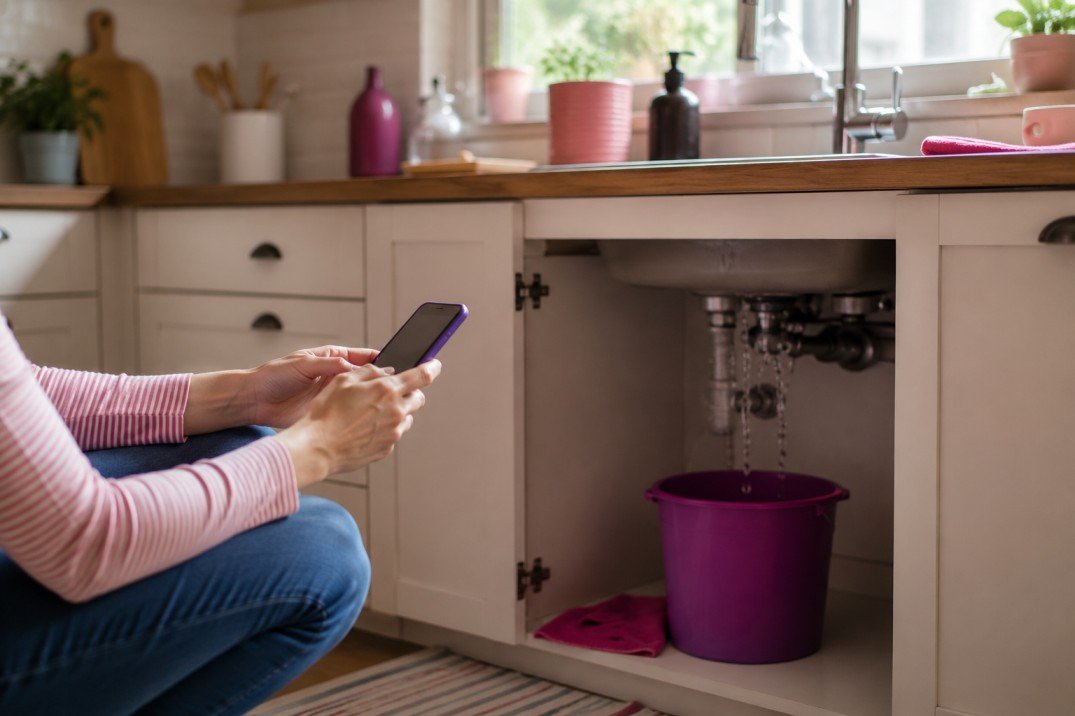
High-intent search traffic tends to convert faster and close sooner, which matters when you need leads this month rather than this quarter. Eligible local service businesses can also add Google Local Services Ads, which appear prominently in search results, charge per lead rather than per click, and display a Google Verified badge once a business completes Google’s screening and verification process. Pair paid search with an optimized Google Business Profile and your business can hold multiple positions on the page a local searcher sees first. Managing that combination well takes ongoing work on keywords, negatives, and landing pages, which is the core of what a PPC and digital advertising team does day to day.
When Should a Business Choose Facebook Ads First?
Start with Facebook ads when your customers are not searching for you yet: a new business building name recognition, an offer people do not know exists, visual services like remodeling or med spas where seeing the work sells it, or events and promotions that need reach quickly. Facebook can build broad local visibility well before anyone types a search.
Facebook also excels at staying in front of people who already found you. Retargeting lets you show ads to website visitors who did not call, keeping your business visible while they decide. Before-and-after photos, video walkthroughs, and customer testimonials tend to travel further on social than anywhere else, and consistent creative testing is what keeps those campaigns affordable over time. That creative and audience work is the heart of paid social advertising done well. The trade-off to accept going in: social leads usually need more follow-up before they become customers, so your response speed and nurturing matter as much as the ads themselves.
Should You Run Facebook Ads and Google Ads Together?
For most established local businesses, yes. The platforms cover each other’s blind spots: Facebook builds awareness that can turn into future demand, while Google captures the people ready to buy today. They can also complement each other in a simpler way: someone may encounter your business on social first, then search for it later or recognize your name when it appears in their search results.

Budgeting for both does not require a magic ratio. Fund each channel well enough to gather meaningful data, which usually means resisting the urge to split a small budget so thinly that neither platform can optimize. Then rebalance based on what your records show: qualified leads, cost per actual customer, and revenue by source, weighed against your goals for this season of the business. If the budget only supports one channel properly, pick the one that matches your most urgent goal, prove it out, and add the second later. For Oklahoma City-area businesses, this connected approach, with ads, website, follow-up, and reporting working as one system, is how NextEra Marketing, a full-service, women-owned agency based in the Oklahoma City metro, manages both platforms rather than treating them as separate line items.
Frequently Asked Questions
Q: Is Facebook or Google better for small business advertising? A: It depends on your goal. Google Ads are generally better for capturing people actively searching for your product or service, while Facebook ads are generally better for building awareness and reaching people before they search. Businesses that need leads immediately usually start with Google; businesses building name recognition or promoting visual work often start with Facebook. Many run both once each channel can be funded properly.
Q: Are Facebook ads cheaper than Google Ads? A: Usually per click and per lead, yes. Benchmark medians for Facebook leads campaigns ($1.92 per click, $27.66 per lead) run well below Google Search averages ($5.42 per click, $66.69 per lead), though the datasets cover different periods and measure conversions differently. Cheaper leads do not automatically mean cheaper customers, since Google leads typically carry stronger intent. Compare cost per actual customer in your own records.
Q: Can I run Facebook ads and Google Ads at the same time? A: Yes, and the platforms tend to complement each other. Facebook can build awareness before someone searches, while Google can capture that person later when they actively look for a solution. Retargeting connects them: someone who clicks a Google ad but does not convert can see your Facebook ads afterward. Shared tracking through your CRM shows which channel produces customers at the best cost each month.
Q: How should I split my budget between Facebook ads and Google Ads? A: There is no universal split. Fund each channel well enough to generate meaningful data, then rebalance based on qualified leads, cost per customer, and revenue by source in your own records. If your budget can only support one channel properly, choose the one that matches your most urgent goal rather than underfunding both, and add the second channel as results allow.
Q: Which platform produces results faster, Facebook or Google Ads? A: Google Ads typically produce leads sooner because they reach people searching right now, and calls can come in shortly after launch. Facebook campaigns usually need time for creative testing and for Meta’s delivery system to gather enough conversion data to stabilize. Either way, both platforms need sufficient data and consistent management before performance can be evaluated properly, so avoid judging either solely on the first few days.
Stop Choosing and Start Deciding
The real question is not which platform wins; it is which one fits the goal in front of you, and when it makes sense to run both. If you are weighing where your next advertising dollar should go, talk it through with NextEra Marketing. We can look at your goals, your customer value, and your market and map out a sensible starting point. A conversation, not a commitment.