

Quick Answer
For many local service businesses, yes. Google Local Services Ads charge per lead, such as phone calls and messages, rather than per click, appear at the top of Google Search and Maps, and display a Google Verified badge after Google’s screening. In a February 2026 benchmark of 888 home-services contractors, leads averaged $53 with a $233 cost per paying customer. Results depend on eligibility, answering leads reliably, and follow-up.
What Are Google Local Services Ads and How Do They Work?
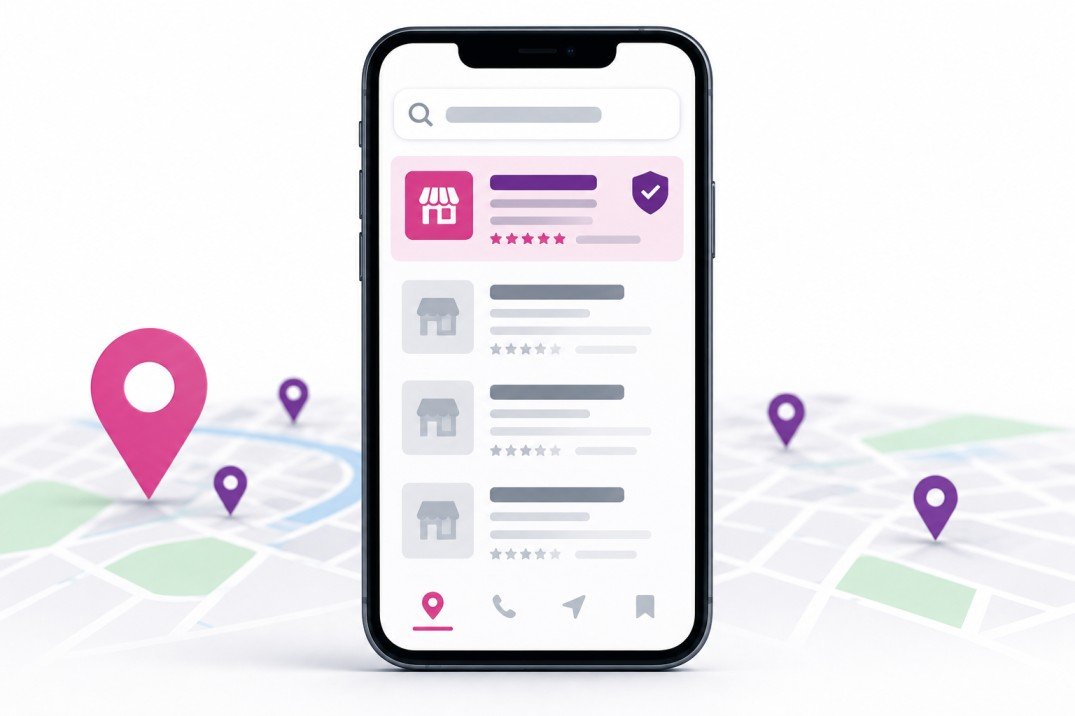
Local Services Ads are pay-per-lead ads that appear prominently at the top of Google Search and Google Maps results for local service queries. Instead of paying for clicks, you pay when Google charges you for a valid lead, such as a phone call or message from a potential customer through your ad.
Getting in requires more than a credit card. Google puts businesses through a screening and verification process that, depending on category and location, can include background checks and verification of licenses and insurance. Businesses that complete it earn the Google Verified badge on their Local Services profile, a trust signal that appears before a customer ever calls (the badge is currently unavailable in a few verticals, such as auto, beauty, and dining). That vetting gives customers additional information about the provider before they make contact: they see a screened, reviewed local business at the top of the page. It also means setup involves real paperwork, which is why many businesses hand the process to a team that manages Local Services Ads alongside their Google Ads rather than tackling verification alone.
How Much Do Local Services Ads Cost?
There is no set price per lead. Lead prices vary by service category, market, and competition, and you control the total budget rather than a per-click bid. The most detailed current cost data comes from SearchLight Digital’s Home Services LSA Benchmark, which tracked $6.72 million in Local Services Ads spend across 888 home-services contractors and 126,650 leads during February 2026. In that dataset, the blended cost per lead was $53: electrical averaged $39, HVAC $51, plumbing $57, and drain/sewer work $59.
Those figures describe home-services contractors in one month, not every LSA advertiser, and lead costs in other categories or highly competitive metros can look very different. The same dataset is useful for a second reason: it tracked what happened after the lead. Leads booked into appointments 43.9% of the time, the average cost per paying customer was $233, and the average ticket was $1,826. Compare that with SearchLight’s companion January 2026 Google Ads benchmark for home services, where blended cost per lead was $104 ($149 for non-branded search) and cost per paying customer was $472. In those home-services datasets, LSA leads cost roughly half as much and produced paying customers at roughly half the cost, though Google Ads jobs carried higher average tickets. As with every channel comparison, the number that matters is cost per customer in your own records, not the benchmark average, and these observations are not a forecast for any individual business. For the broader picture of search advertising costs, see our guide on what Google Ads cost.
Which Businesses Benefit Most From Local Services Ads?
Local Services Ads tend to work best for businesses whose customers hire with urgency and choose from the top of the page: plumbers, HVAC companies, electricians, roofers, cleaners, and other appointment-driven local services. If your customer’s problem cannot wait a week, prominent placement as a screened, reviewed provider can be particularly valuable when they are making an urgent decision.
Three practical requirements shape who gets value from the format. First, eligibility: Local Services Ads are available only in Google’s supported business categories, and availability, screening requirements, and badge eligibility vary by category and location, so check your specific category with Google before planning a budget around it. Second, credentials: verification requires your licensing and insurance paperwork to be in order where applicable. Third, responsiveness: LSA leads arrive mostly as live phone calls and messages, so a business that cannot reliably answer during business hours will struggle to convert what it pays for. If those three boxes check, LSAs deserve consideration; if not, fixing the operational side first usually pays off more than any ad spend.

Why Do Some Businesses Get Poor Results From LSAs?
Usually for fixable reasons, and it helps to separate what Google’s system considers from what happens inside the business. On the platform side, Google says Local Services ad ranking is calculated based on factors like your proximity to potential customers, your reviews, and your responsiveness, and its documentation notes that regularly failing to answer calls or respond to messages may affect your ad ranking. Few reviews and poor responsiveness can make an advertiser less competitive, even with sufficient budget.
On the operational side, the platform can only deliver the contact. Missed calls, slow callbacks, and a weak booking process quietly waste paid leads even when ranking is healthy, which is why pairing LSAs with instant follow-up, like the missed-call text-back and automation in NextEra’s Never Miss a Lead system, addresses the most common failure point.
Billing frustrations also trace to a process many articles still describe incorrectly. Google no longer uses advertiser-filed lead disputes. Under its automated lead credits system, leads are assessed when the customer first makes contact, invalid or low-quality leads are not charged, and charged leads are reassessed over time and may be credited automatically, with credits generally applied within 30 days. Google no longer issues credits for leads outside your service area or for services you do not offer, so keeping your job types and service areas configured accurately matters more than ever. You can still rate individual leads in your account, and Google uses that feedback in its quality assessments.
What Is Changing With Local Services Ads in 2026?
Local Services Ads are moving into the Google Ads platform. According to Google’s own migration documentation, existing LSA campaigns are being automatically migrated to a specialized Performance Max campaign type built for pay-per-lead goals, in phases: select US home and storefront service categories (including plumbing, HVAC, electrical, roofing, pest control, and moving) beginning August 2026, broader groups in late 2026, and non-US accounts and remaining categories in 2027.
Google is explicit about what does not change: you still pay per valid lead rather than per click, ads still appear only on Google Search and Maps in the same positions, targeting stays keywordless, and your Google Verified badge and verification status carry over automatically. What changes is management. The standalone LSA dashboard goes away after migration, weekly budgets convert to daily budgets, and manual max-per-lead bidding and industry-level Target CPA are deprecated in favor of a campaign-level Target CPA. Account administrators get an email 14 days before their migration date and a reminder 7 days later. Two preparation steps matter most: confirm the administrator email on your profile is current, and save your historical performance reports before migrating, because past reports do not carry over (lead history and messages do). None of this changes the worth-it math; it changes where the campaigns are managed. Practically, having LSA campaigns inside Google Ads makes coordinated management and reporting more convenient for businesses already using the platform, since search campaigns and pay-per-lead campaigns now live in one place. Coordinating search, LSAs, reviews, and follow-up as one connected system is how NextEra Marketing, a full-service, women-owned agency based in the Oklahoma City metro, manages these channels for local businesses.

Frequently Asked Questions
Q: How much do Google Local Services Ads cost per lead? A: There is no fixed price; Google’s lead pricing varies by service category, market, and competition. For reference, SearchLight Digital’s February 2026 benchmark of 888 home-services contractors found a blended average of $53 per lead, ranging from $39 for electrical to $59 for drain/sewer work. Those figures describe home-services trades in one month and should not be read as a quote for other industries or markets.
Q: What happened to the Google Guaranteed badge? A: Google consolidated its Local Services badges, including Google Guaranteed and Google Screened, into a single Google Verified badge, and discontinued the money-back guarantee that came with the old Google Guaranteed program. The screening and verification requirements behind the badge remain, so the Google Verified badge still signals that a business passed Google’s checks for its category and location.
Q: How does Google decide which Local Services Ads show first? A: Google says Local Services ad ranking is calculated based on factors such as your proximity to potential customers, your reviews, and your responsiveness. Its documentation also notes that regularly failing to answer calls or respond to messages may affect your ad ranking. That makes review management and responsiveness important parts of LSA performance alongside budget.
Q: Can I dispute a bad Local Services Ads lead? A: Not the way you used to. Google replaced advertiser-filed disputes with an automated lead credits system: invalid or low-quality leads are not charged at initial assessment, and charged leads are reassessed over time and may be credited automatically, generally within 30 days. Credits are no longer issued for leads outside your service area or job types, so keeping those settings accurate is essential. You can still rate leads to give Google feedback.
Q: Do I need to do anything about Local Services Ads moving into Google Ads? A: Mostly preparation. Google migrates campaigns automatically and transfers your settings, verification status, and lead history, but historical performance reports do not carry over, so download or capture them before your migration date. Confirm the administrator email on your account, watch for Google’s 14-day notice, and review your budget and Target CPA settings in Google Ads after migration, since weekly budgets convert to daily and manual bidding is deprecated.
Find Out If LSAs Belong in Your Budget
If you have been wondering whether Local Services Ads would pay off for your business, or you want a plan for the move into Google Ads before your migration email arrives, reach out to NextEra Marketing. We can look at your category, your market, and your numbers together and map out what makes sense. No obligation and no hard sell, just clear answers.